Lang Lab Research in the news

The Lang Lab
We investigate how intra- and extraocular light sensing pathways deploying OPN3, OPN4 and OPN5 regulate development, homeostasis and disease.
The Lang lab logo incorporates symbols from Dr. Lang’s home continent of Australia. These symbols are reminder that a human lifetime represents a long journey under the influence of the sun and stars.
Research Focus
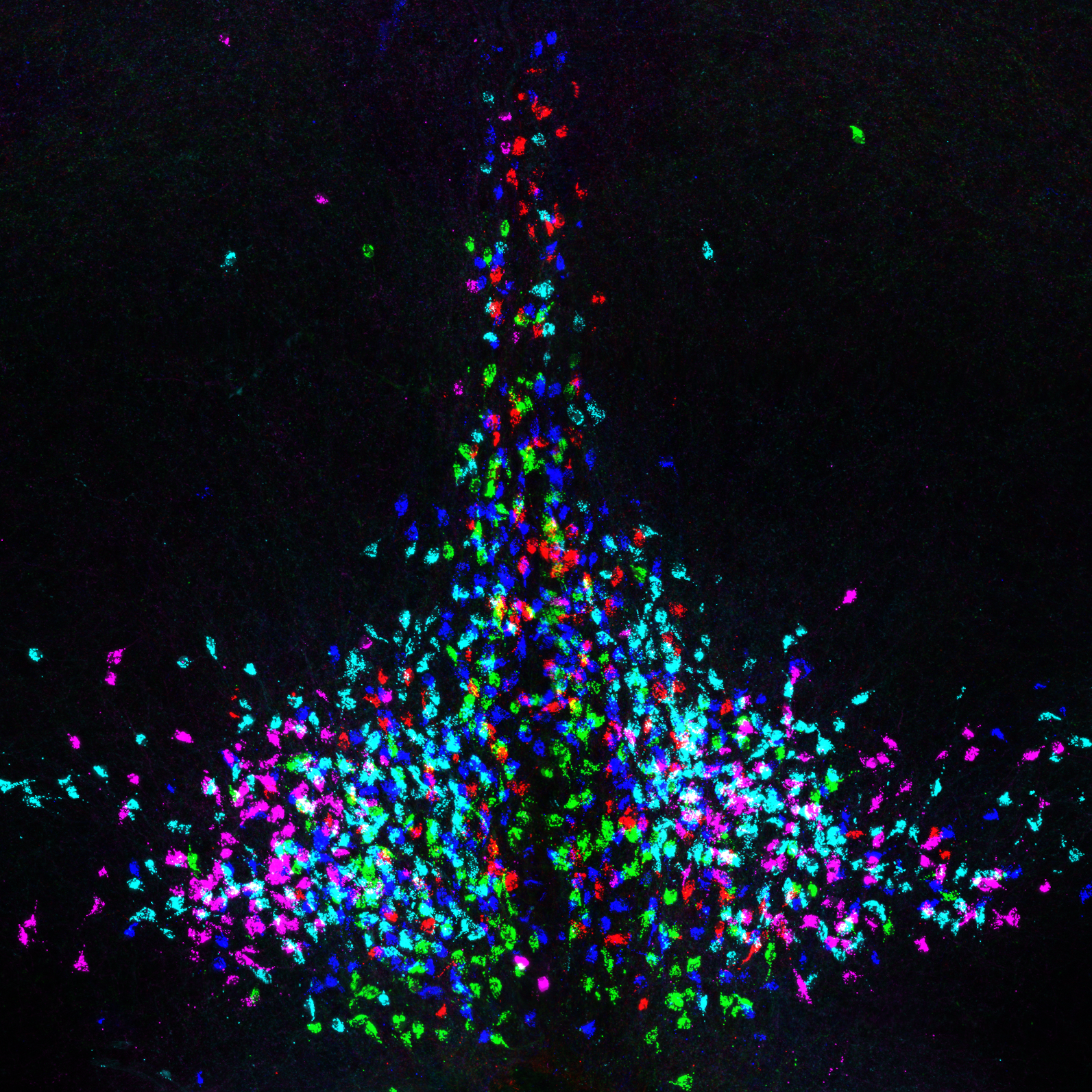
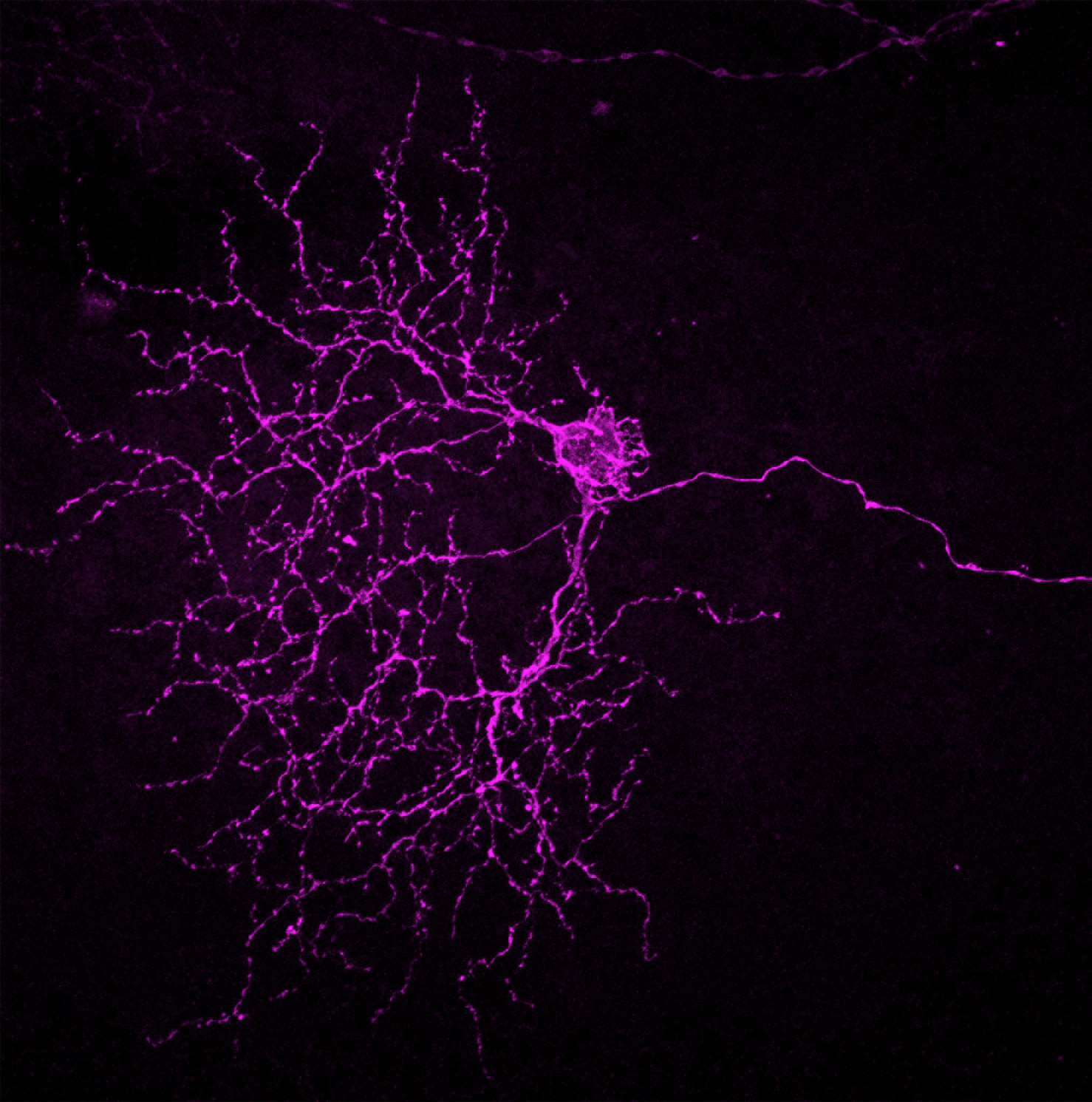
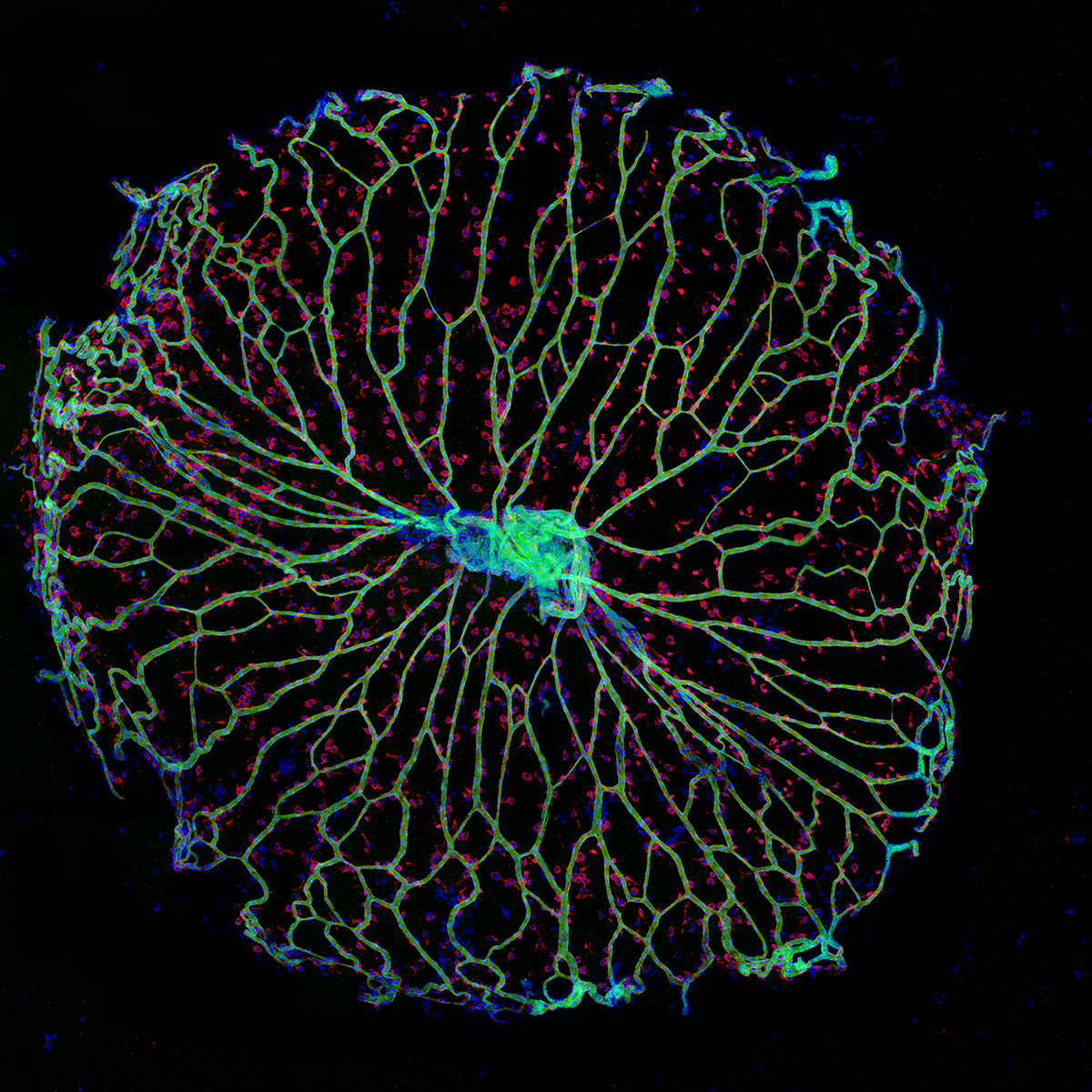
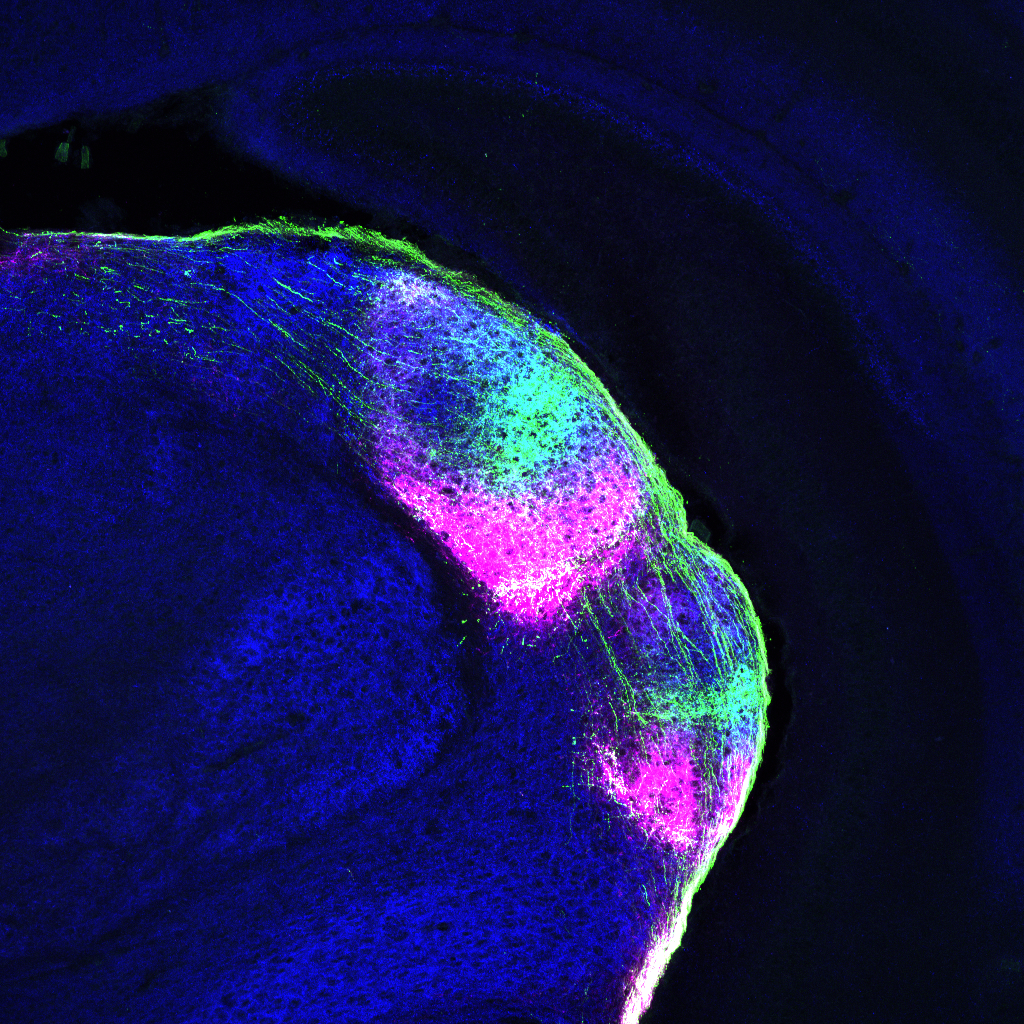
The Lang lab studies biological mechanisms that underpin development, homeostasis and disease. Historically, we have had a special interest in development of the visual system and in this context have identified mechanisms of embryonic induction and epithelial morphogenesis. The current passion of the Lang lab is an investigation of the intra- and extraocular light sensing pathways mediated by the opsin family members OPN3 (encephalopsin), OPN4 (melanopsin) and OPN5 (neuropsin). We have shown that within the eye OPN4 and OPN5 regulate light-dependent vascular development and that OPN5 light sensing determines myopia susceptibility. Unexpectedly, we have also found that OPN3 in adipocytes and OPN5 in the brain each mediate light sensing responses that regulate body temperature and energy homeostasis. Our ongoing work will continue to investigate these unusual light sensing pathways and relate their activities to human disease.


The Lang Lab Team

Richard Lang, PhD.
Professor, Co-Director - The Science of Light Center
Dr. Lang is Australian by birth and did his Bachelor of Science with Honors and PhD at the University of Melbourne and the Melbourne branch of the Ludwig Institute for Cancer Research. Following Postdoctoral training in the lab of Nobel Prize winner J Michael Bishop at the University of California San Francisco, Dr Lang took an Assistant Professorship at the Skirball Institute of New York University Medical Center. In 2001, Dr. Lang was recruited to Cincinnati Children’s Hospital to the Emma and Irving Goldman Scholar endowed chair, the position he currently occupies. Work in the Lang Lab has evolved from the study of myeloid cells through developmental biology to the investigation of intra- and extraocular light sensing pathways in development, homeostasis and disease. This work has broad implications for human physiology and informs the design of buildings, including daylighting strategies and artificial lighting systems.

Courtney Burger, PhD.
Research Fellow

Sush Raja, PhD.
research fellow

Özgü Biler,
PhD Candiate
Position Title

Mutahar Adrabi, PhD.
associate staff scientist

Ozair Sheikh, MD
research assistant III

Khine Yin Mon, MD
research fellow

Paul Speed
animal care tech iii
2026
Prevention of myopia in a near-primate by supplemental indigo light suggests a hypothesis for the myopia boom
2021
Violet light surpresses lens-induced myopia via (OPN5) in mice
2024
Developmental control of rod number via a light-dependent retrograde pathway from intrinsically photosensitive retinal ganglion cells
2020
Violet-light suppression of thermogenesis by opsin 5 hypothalamic neurons
2020
Adaptive Thermogensis in Mice is Enhanced by Opsin 3- Dependent Adipocyte Light Sensing
2019
Neuropsin (OPN5) Mediates Local Light-Dependent circadian Responses in Murin Skin
2019
Neuropsin (OPN5) Mediates Local Light-Dependent Induction of Circadian Clock Genes and Circadian Photoentrainment in Exposed Murine Skin
2013
Current Biology
A direct and melanopsin-dependent fetal light response regulates mouse eye development
2019